
About
Securing Africa's tobacco control gains
Protecting Africa's Future: Advancing Tobacco Control and Health Sovereignty
About ACTCD
Progress is real. So is the risk.
Two decades after the WHO Framework Convention on Tobacco Control entered into force, Africa has made real progress, with 44 of the 47 countries in the WHO African Region having ratified the Convention. The environment continues to shift through emerging nicotine products, industry interference, illicit trade and constrained financing.
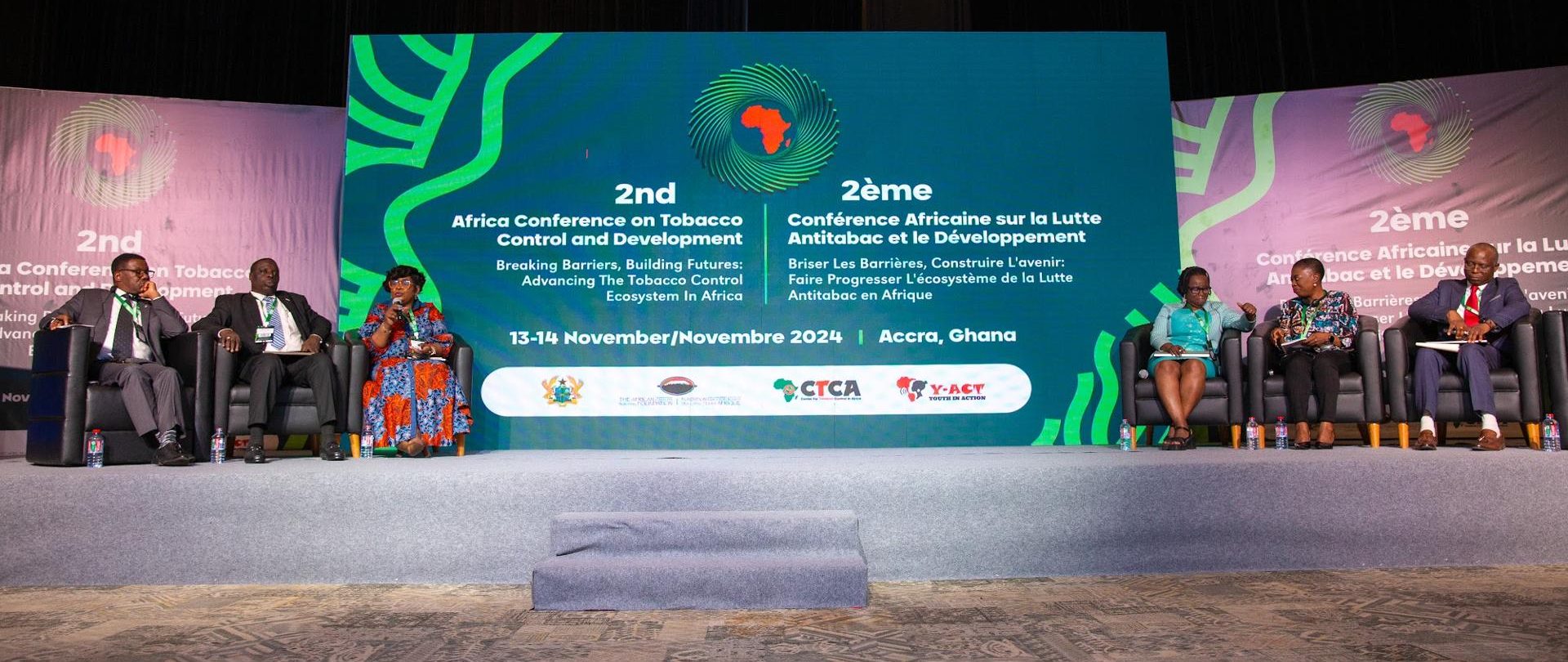
Africa holds the world's youngest population, with more than 60% of its people under the age of 25. Rapid urbanization, uneven policy implementation and aggressive industry marketing create conditions for a rise in tobacco use without decisive action. The African Capacity Building Foundation convenes the Conference as the African Union's specialized agency for capacity development, building on the first edition in 2021 and the second in Accra, Ghana, in 2024.
WHO African Region countries have ratified the WHO FCTC
deaths a year globally from tobacco use
adult tobacco use in the WHO African Region
of Africa's people are under the age of 25
Theme and rationale
Health sovereignty
The theme reflects the need to secure Africa's tobacco control gains while positioning tobacco control within the continent's drive for health sovereignty. Health sovereignty means strengthening Africa's capacity to determine, finance and implement its public health priorities in the public interest, through capable institutions, policymaking protected from commercial interests, African-generated evidence and sustainable domestic financing.
Goal and objectives
Strengthen African leadership, evidence and sustainable capacity
The overall goal is to strengthen African leadership, evidence and sustainable capacity for tobacco control as a contribution to protecting Africa's future and advancing health sovereignty.
- 1
Strengthen African leadership, governance and multisectoral commitment to accelerate WHO FCTC implementation and protect policymaking from industry interference.
- 2
Generate, consolidate and disseminate African knowledge and evidence on tobacco control.
- 3
Promote effective and sustainable responses that protect young people and integrate tobacco prevention within broader health and NCD responses.
- 4
Advance sustainable financing through tobacco taxation, domestic resource mobilization and innovative financing approaches.
Expected outcomes
- Stronger continental leadership and commitment to accelerated WHO FCTC implementation and protection of public health policy from tobacco industry interference
- Increased generation, sharing and use of African-generated knowledge and evidence
- Enhanced regulatory and health-system preparedness to prevent tobacco and nicotine uptake, particularly among young people, and improved access to tobacco dependence treatment
- Increased recognition of tobacco taxation and domestic resource mobilisation as part of sustainable tobacco control and health financing
- Stronger collaboration and networks among tobacco control actors in Africa
- Clearer positioning of tobacco control within Africa's health sovereignty and sustainable development agendas
Key outputs
Conference structure
High-level dialogue meets rigorous science
Past editions
Building on 2021 and 2024
1st edition · Virtual
26–28 October 2021
"A Tobacco Free Africa. An Urgent Call for Joint Action."
Held on the WHOVA platform with 586 registered participants and about 280 attending each day, across plenaries and parallel workshops on sustainability, local evidence, multisectoral support and partnerships.
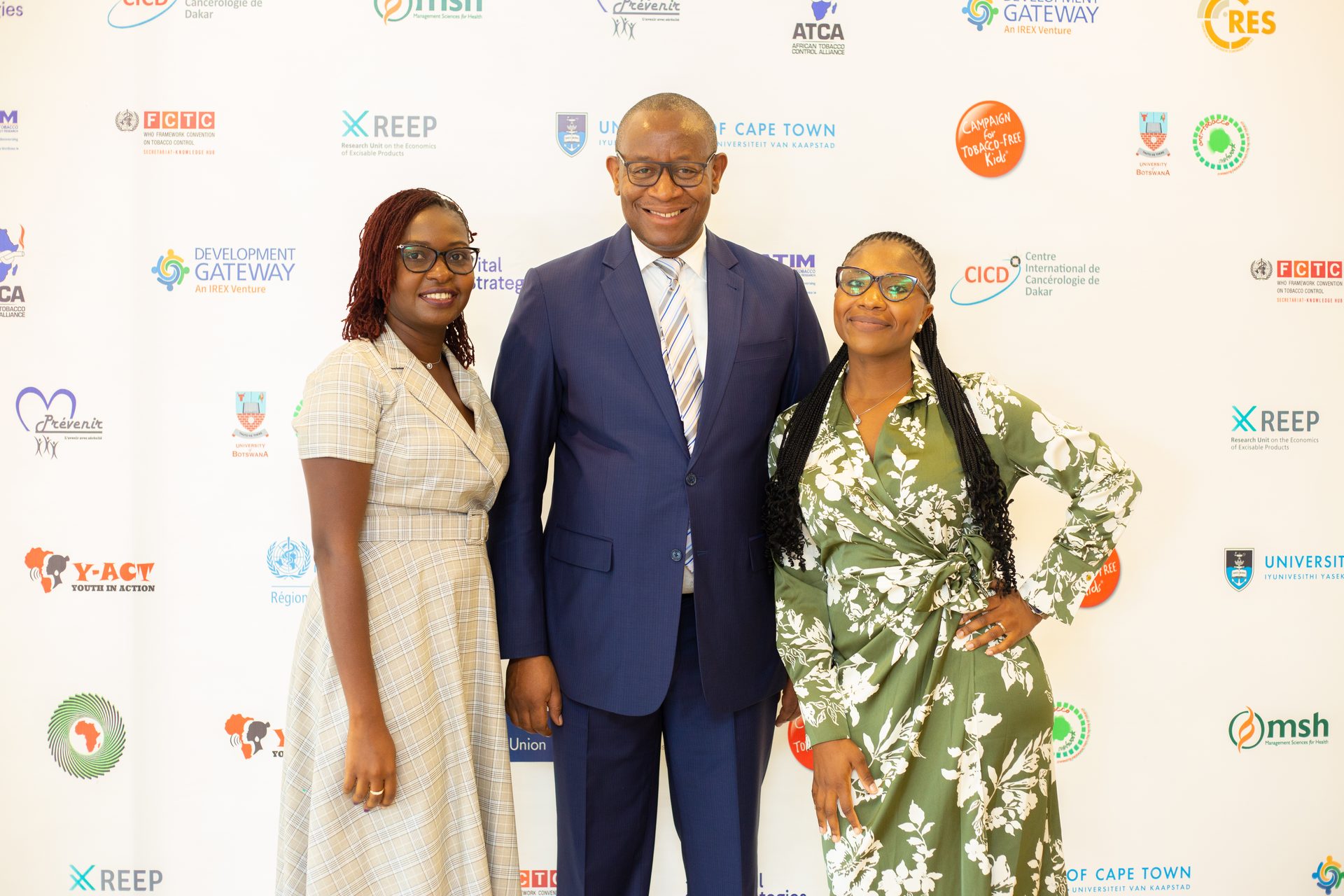
2nd edition · Accra, Ghana
13–14 November 2024 · Labadi Beach Hotel
"Breaking Barriers, Building Futures: Advancing the Tobacco Control Ecosystem in Africa"
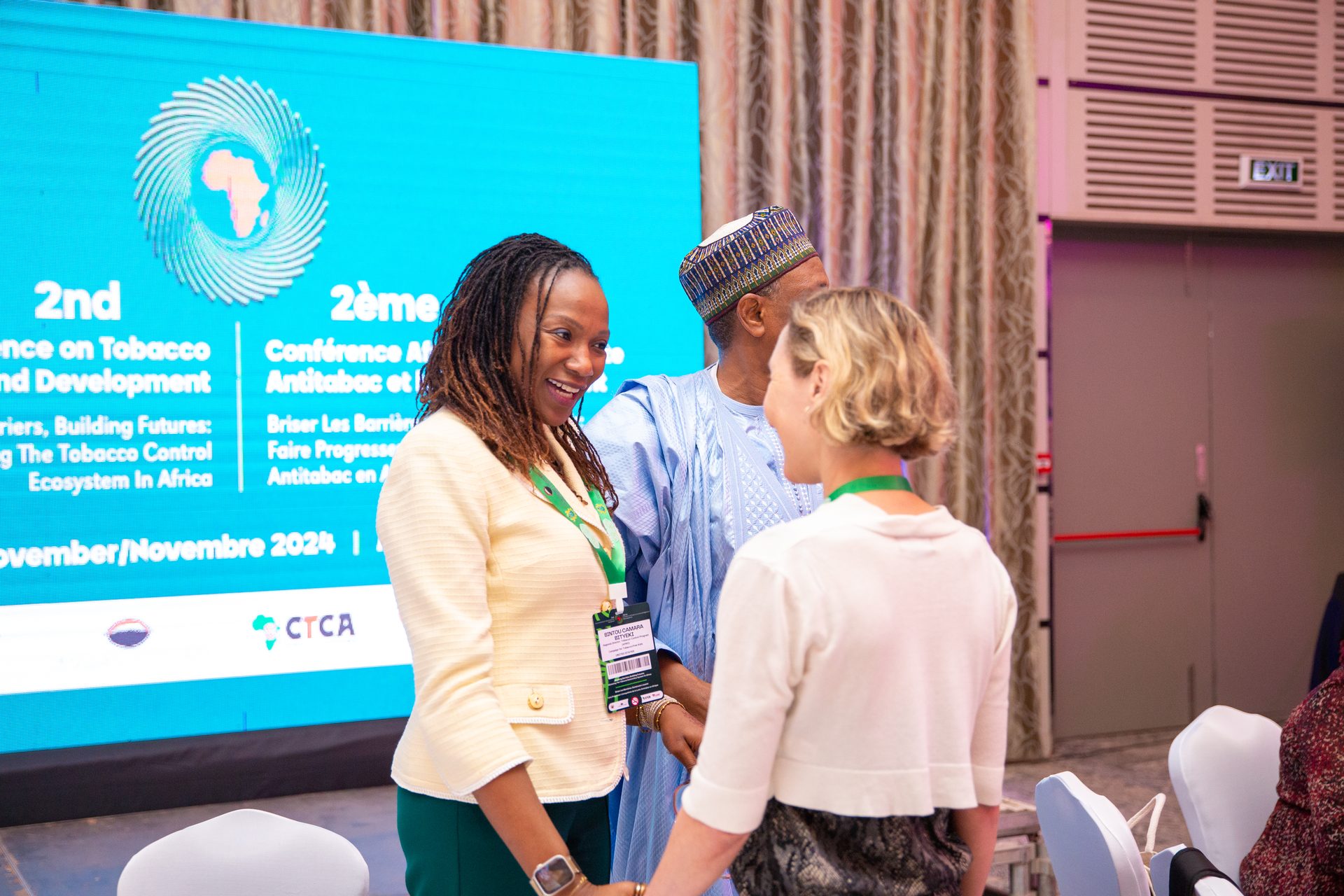
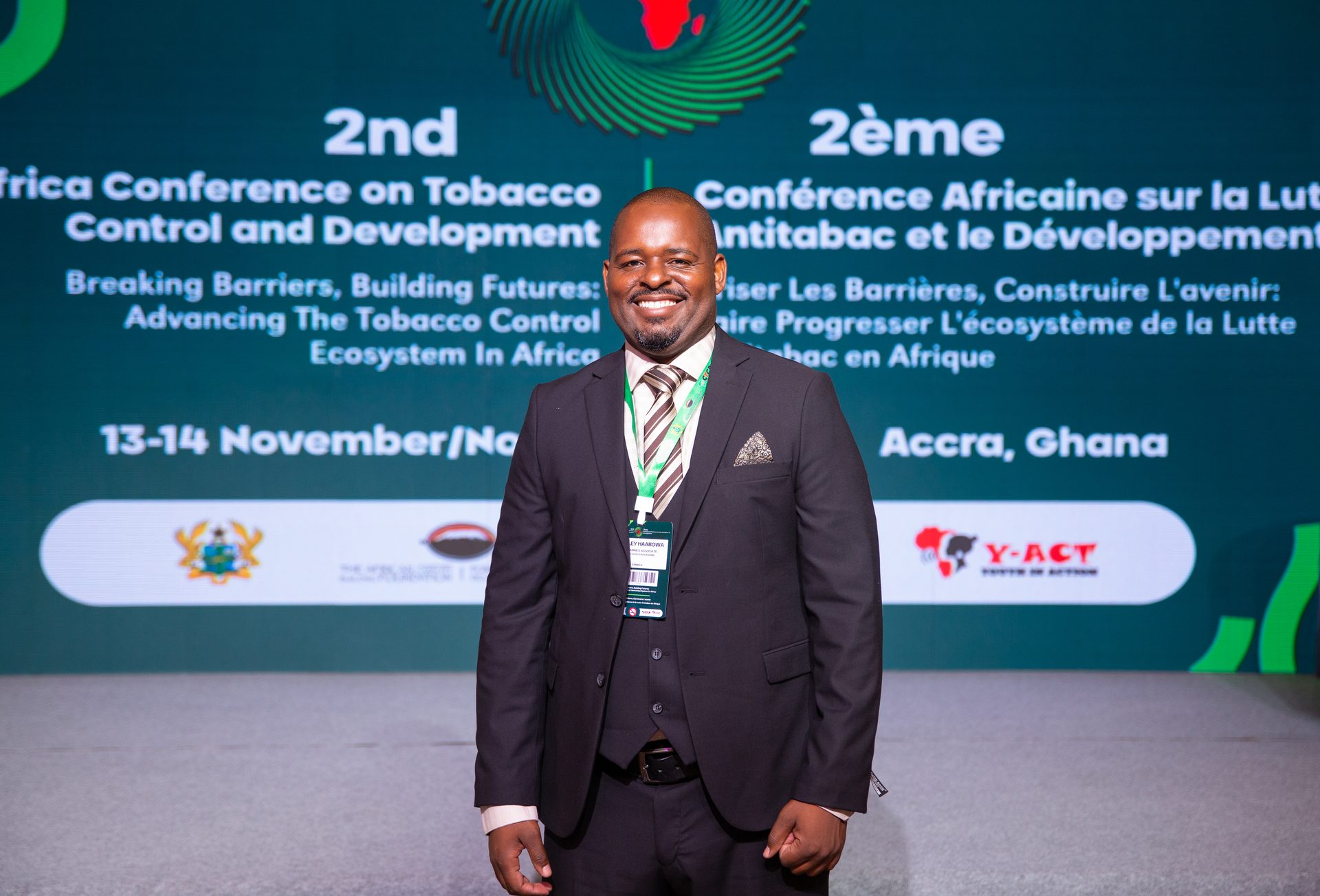
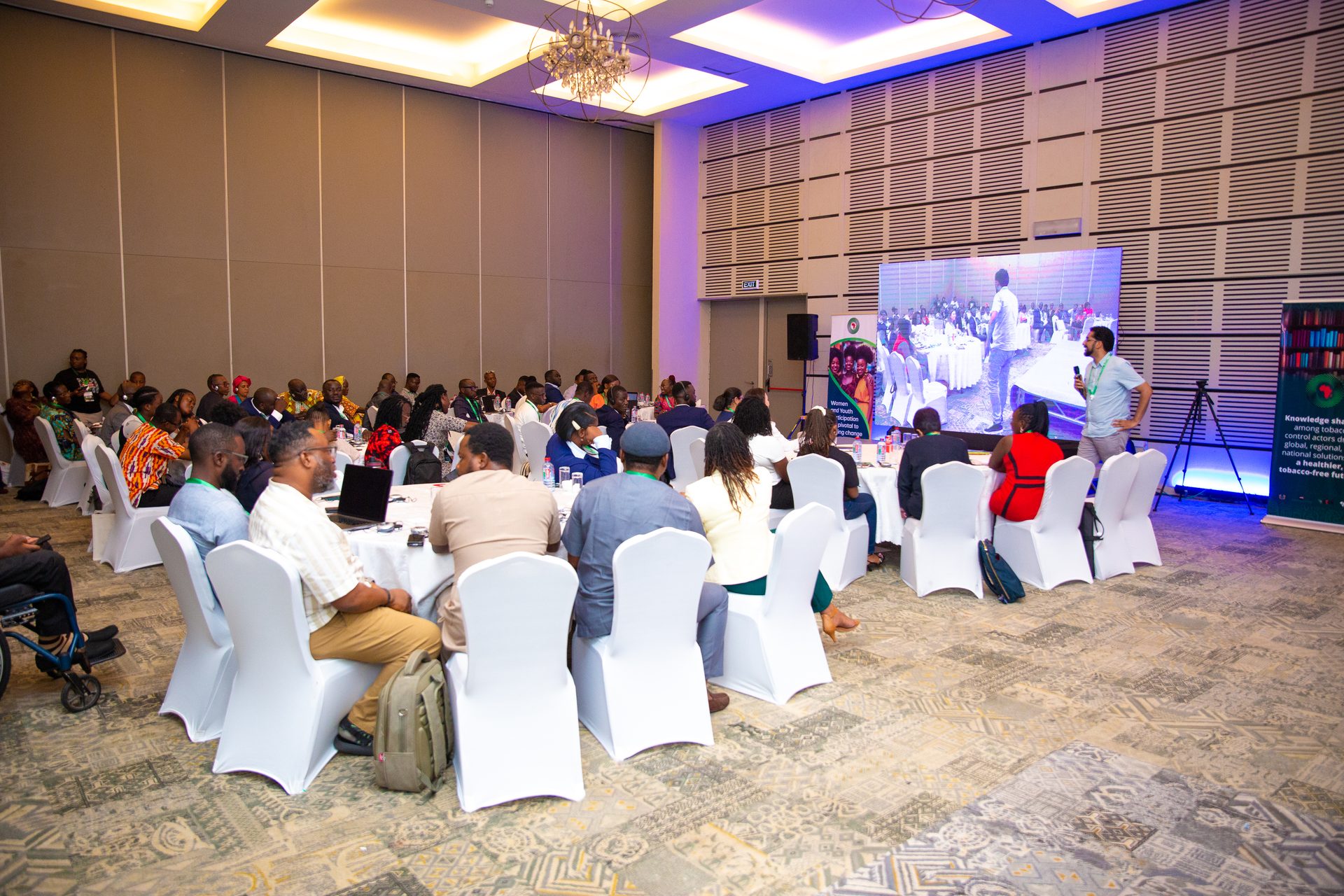
Convened by ACBF with the Centre for Tobacco Control in Africa and Youth in Action, hosted by Ghana's Ministry of Health. 96% of surveyed participants, from 23 countries, rated the theme relevant to Africa's development challenges.
3rd edition · Nairobi, Kenya
22–23 April 2027
"Protecting Africa's Future: Advancing Tobacco Control and Health Sovereignty"
Convened by ACBF with Kenya's Ministry of Health, the African Union Commission, Africa CDC and partners.
Reports and communiqués from both editions are available in the Knowledge Hub.
2024 Accra Communiqué
What participants resolved in 2024
- Strengthen and enforce tobacco control policies in line with the WHO FCTC, and amend laws to ban emerging products
- Establish and scale accessible smoking cessation programs, particularly for high-risk populations
- Engage young people intentionally in tobacco control across the continent
- Dedicate resources to tobacco control, including through tobacco taxes, with African governments owning the financing
- Develop targeted interventions for women and young people
- Invest in research on local dynamics of tobacco use and emerging products
- Integrate environmental health and alternative livelihoods for tobacco farmers
- Build robust monitoring, evaluation and accountability frameworks
Organizers and partners
Who convenes ACTCD


The Conference observes WHO FCTC Article 5.3 and accepts no financial or in-kind support from the tobacco industry or organizations acting to further its interests.